
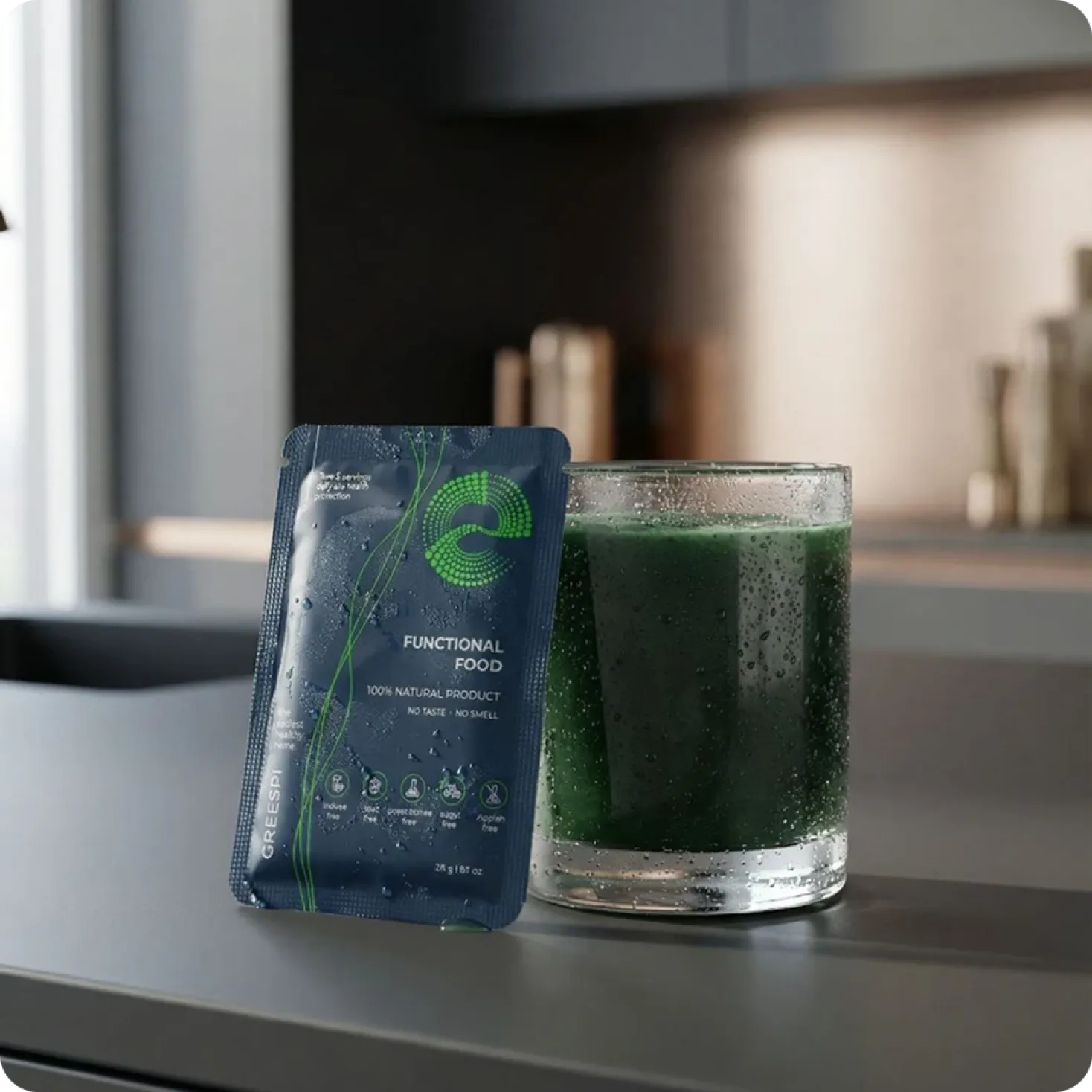
SCIENTIFIC MONOGRAPH: GREESPI
- Status: Intact Bio-Active Food Matrix
- Standard: Format-First™ Protocols
- Core Logic: Direct Cellular Assimilation via Native Glycoprotein Encapsulation


BIOLOGICAL PARADIGM
Microalgae as a self-sufficient cellular matrix: the benchmark of systemic bioavailability.
Modern nutrition is shifting from reductionism (isolated compounds) to Systems Biology. We approach microalgae not merely as an ingredient, but as a self-contained nutritional architecture that ensures horizontal nutrient synergy. This is a state where over 200 bioactive compounds exist in evolutionarily balanced proportions, completely eliminating nutrient antagonism. The entire physiological logic is built upon a single foundation: supporting the gut ecosystem and providing direct cellular nutrition.
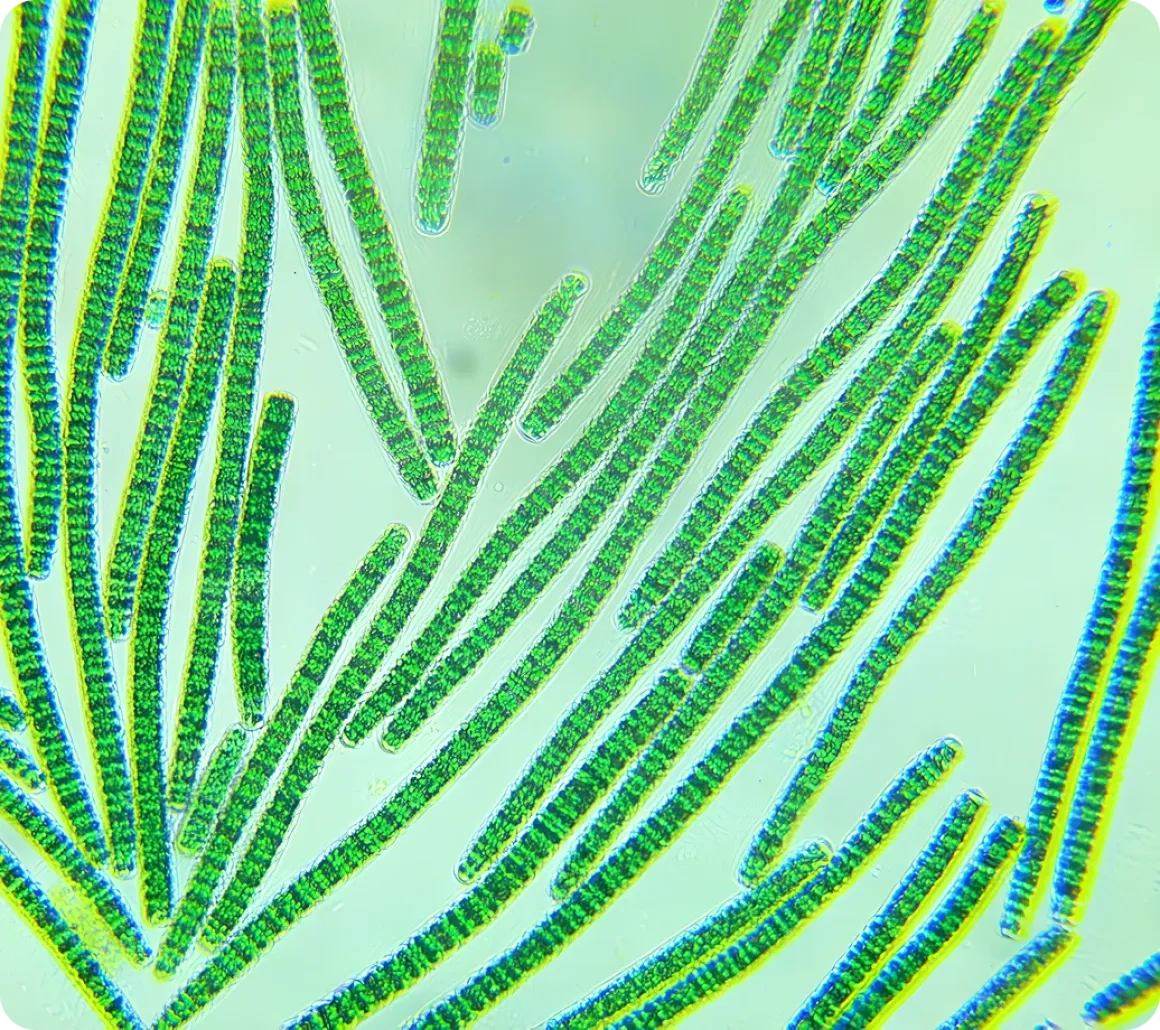

Unlike higher plants, where the majority of biomass consists of structural ballast tissues (lignin, cellulose), microalgae are completely devoid of secondary morphology.
The Insight
Every cell is a 100% active metabolic node. This is a unique evolutionary model where nutrient density equals its physical volume. The body receives a "clean nutritional code" without metabolic noise or energy expenditure on the catabolism of ballast structures.

The key factor in systemic assimilation is the architecture of the cell envelope. The absence of a rigid cellulosic barrier and the presence of an elastic glycoprotein membrane ensure:
Passive Diffusion
Direct absorption of active nutrients without aggressive enzymatic breakdown. This is critical for avoiding irritation and maintaining the integrity of the intestinal epithelium.
Bio-Compatibility
The natural chemical affinity of the microalgal membrane with the lipid membranes of human cells. This makes Greespi a benchmark form of systemic resource for cellular renewal processes.

The native matrix functions as a direct photosynthetic redox system. In its preserved state, it contains unique pigment-protein complexes (Phycocyanin) that act as natural electron donors.
The Mechanism
Maintenance of cellular homeostasis through the systemic neutralization of free radicals and the protection of the mitochondrial pool. This provides fundamental nutritional support for the cell's redox status and stabilizes a healthy cytokine profile to ensure metabolic resilience and Cellular Longevity.
TECHNOLOGICAL IMPERATIVEFORMAT-FIRST™
Preservation of the native structure as an absolute prerequisite for functional stability.
The biological value of a natural matrix is not a static list of substances, but their three-dimensional spatial configuration. The Greespi format relies on the laws of thermodynamics and cell biology to ensure its 100% preservation.
Most compounds in the native Greespi profile are thermo- and oxidolabile. Thermal processing inevitably denatures protein components, destroys the bilin chromophores of pigments, and inactivates enzymatic centers.
The Protocol
Instant stabilization via flash freezing locks the biosystem in a state of peak activity. This temperature regime guarantees the complete preservation of enzymatic potential (specifically, live Superoxide Dismutase (SOD)) and the stability of polyunsaturated fatty acids in their primary configuration.
Physiological compatibility with the sensitive gut ecosystem demands absolute biochemical neutrality. We eliminate the risks of external load on the detoxification pathways through complete isolation of the production cycle and multi-level laboratory control.
The Standard
Cultivation in closed photobioreactors (Closed-Loop System) guarantees the complete biological safety of the environment. This precludes the accumulation of heavy metals and foreign contaminants, as confirmed by independent SGS validation and compliance with ISO, HACCP, and GMP standards.
Global Compliance
Adherence to stringent HALAL and KOSHER requirements. Its Clean Label, Plant-Based, and FODMAP-friendly status makes Greespi a benchmark resource for professional biohacking strategies and modern dietary protocols.
Sustainability Science
The most energy-efficient method of biosynthesis, minimizing the ecological footprint. This is a modern production model delivering the maximum yield of active compounds per unit of consumed energy.
Cultivation in closed systems as a guarantee against heavy metal accumulation and for ensuring ecological purity.
- Source: Vuppaladadiyam, S. S., et al. (2018). Biofuels, Bioproducts and Biorefining
- DOI: 10.1002/bbb.1864
- Validation Status: Comprehensive Review / Peer-reviewed
Physicochemical evidence of phycocyanin chromophore degradation and activity loss upon heating.
- Source: Wu, L., et al. (2020). Food Chemistry
- DOI: 10.1016/j.foodchem.2020.126374
- Validation Status: Peer-reviewed study
Denaturation of the tertiary structure of enzymes (specifically SOD) and metabolite degradation during the dehydration of the native cellular matrix.
- Source: Mróz, M., et al. (2024). Molecules
- DOI: 10.3390/molecules29081747
- Validation Status: Peer-reviewed study
Preservation of membrane integrity and metabolic viability of bioactive cellular systems.
- Source: Papalia, T., et al. (2019). Molecules
- DOI: 10.3390/molecules24152810
- Validation Status: Peer-reviewed study
BIOACTIVE PROFILE
Biochemical profiling of the native Greespi matrix. Data from an independent analytical audit by Qlab (ISO 17025 international accreditation).
The Precision Factor & Food-State Assimilation: The efficacy of Greespi is based on the principle of Bio-Recognition. As all nutrients are integrated within a living cell featuring an elastic glycoprotein envelope, the matrix functions as a natural delivery system. This ensures the direct passive diffusion of active components without metabolic noise.
- Native Phycocyanin (69,500 mg/kg): A unique biliprotein, preserved in its native configuration. It promotes the stabilization of the cytokine profile and protects the mitochondrial pool.
- Chlorophyll A (12,000 mg/kg): Supports systemic tissue oxygenation and endogenous detoxification processes.
- Beta-Carotene (250.25 mg/kg): A provitamin for the maintenance of epithelial integrity and the functioning of mucosal immunity.
- Lutein (59.95 mg/kg) & Zeaxanthin (6.73 mg/kg): Highly bioavailable carotenoids for the protection of neuronal lipid membranes.
- Protein Matrix (8.86%): A full spectrum of essential amino acids in an undenatured state.
- γ-Linolenic Acid / GLA (1,200 mg/kg): A direct precursor to anti-inflammatory prostaglandins (PGE1).
- Magnesium (361 mg/kg): ATP synthesis.
- Calcium (222 mg/kg): A signaling ion for barrier function.
- Iron (48.5 mg/kg) & Vitamin C (383.33 mg/kg): Hematopoietic synergy.
- Vitamin B3 (2.24 mg/kg): A NAD+ precursor.
Impact on the stability and release kinetics of bioavailable nutrients from the native matrix.
- Source: Luo, G., et al. (2024). Nutrients
- DOI: 10.3390/nu16223845
- Validation Status: Peer-reviewed study
The pharmacological potential and regulatory impact of whole biomass on metabolic homeostasis.
- Source: Gentscheva, G., et al. (2023). Life
- DOI: 10.3390/life13030845
- Validation Status: Comprehensive Review / Peer-reviewed
The complementary contribution of native phycocyanin and chlorophyll to the overall biochemical profile of the cell.
- Source: Gentscheva, G., et al. (2023). Life
- DOI: 10.3390/life13030845
- Validation Status: Comprehensive Review / Peer-reviewed
Validation of the Fresh-format as a benchmark delivery system for the preservation of bioavailable trace elements.
- Source: Soni, A., et al. (2022). Journal of Applied Phycology
- DOI: 10.1007/s10811-022-02758-1
- Validation Status: Peer-reviewed Comprehensive Review
MECHANISMS OF ACTION

Native polysaccharides act as a selective substrate for beneficial bacteria. Their fermentation generates short-chain fatty acids (SCFAs), which, alongside intracellular calcium, activate Tight Junction proteins. The Result: Restoration of intestinal barrier integrity and the prevention of systemic endotoxemia.

Greespi provides a complete pool of precursors (Cysteine, Glycine, Glutamate) for the synthesis of Glutathione—the master intracellular detoxifier. Live SOD neutralizes free radicals precisely at their point of generation, protecting DNA and the mitochondrial pool.
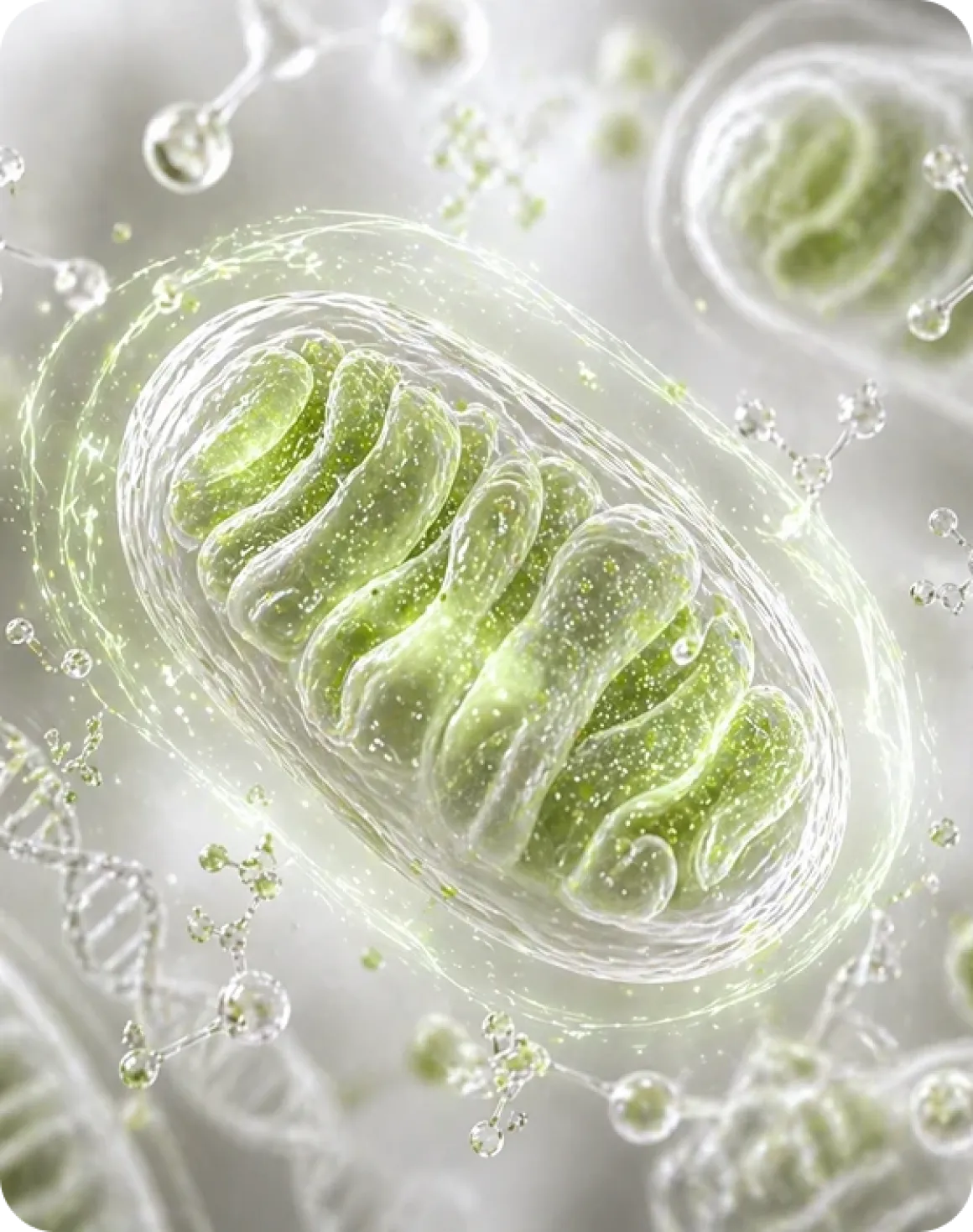

Native Phycocyanin acts as an intelligent shield, stabilizing the mitochondrial electron transport chain. Vitamin B3 supports the pool of NAD+ coenzymes required for DNA repair and metabolic energy (ATP) production without inducing metabolic stress.
Sulfated polysaccharides prevent the adhesion of pathogens to cellular membranes. GLA facilitates the synthesis of PGE1 prostaglandins, which modulate a healthy anti-inflammatory response.
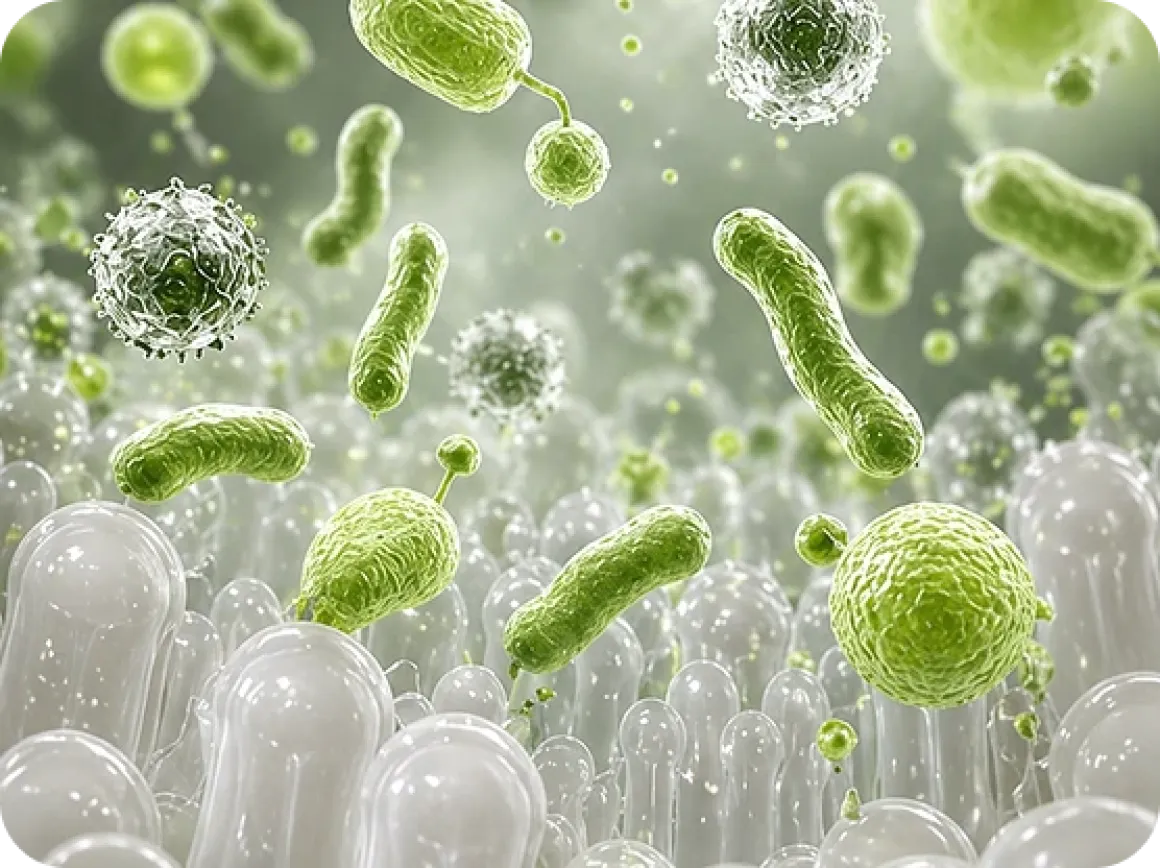

Microbiome restoration harmonizes neurotransmitter production. Concurrently, Lutein and Zeaxanthin cross the blood-brain barrier, protecting neurons from oxidative damage.
CLINICAL REGISTRYPHYSIOLOGICAL VALIDATION
Verified data from the international PubMed (NCBI) registry regarding the outcomes of clinical application in humans (Human Subjects).

Systemic Oxidative Unloading: Studies confirm a statistically significant increase in blood plasma Glutathione (GSH) levels and Superoxide Dismutase (SOD) activity, contributing to a reduction in systemic oxidative load.
Sources: 1. Liu, C., et al. (2022). Antioxidants. DOI: 10.3390/antiox11061100 | 2. Fernandes, R., et al. (2023). Pharmaceuticals. DOI: 10.3390/ph16040592
Validation Status: Peer-reviewed study & Comprehensive Review
Clinically Confirmed: The ability of the native matrix to support the expression of barrier proteins (modulation of zonulin levels) and microbiota balance, which promotes a decrease in intestinal epithelial permeability and protection against systemic inflammation.
Source: Nasab, S. J., et al. (2025). Nutrition Journal. DOI: 10.1186/s12937-025-01132-6
Validation Status: Randomized, Double-Blind, Placebo-Controlled Trial
Immunomodulation & Barrier Defense: Mechanistic studies demonstrate the capacity of bioactive polysaccharide fractions within the native matrix to support the innate immune response (by optimizing natural NK-cell activity and IFN-γ signaling pathways). Furthermore, these macromolecules help stabilize host cell membranes, complicating the receptor binding and cellular adhesion of external biological stressors.
Sources: 1. Chen, W., et al. (2022). Phytomedicine. DOI: 10.1016/j.phymed.2022.154611 | 2. Hirahashi, T., et al. (2002). International Immunopharmacology. DOI: 10.1016/s1567-5769(01)00166-7
Validation Status: Clinical Trial & Peer-reviewed study
Systemic Oxidative Unloading: Studies confirm a statistically significant increase in blood plasma Glutathione (GSH) levels and Superoxide Dismutase (SOD) activity, contributing to a reduction in systemic oxidative load.
Sources: 1. Liu, C., et al. (2022). Antioxidants. DOI: 10.3390/antiox11061100 2. Fernandes, R., et al. (2023). Pharmaceuticals. DOI: 10.3390/ph16040592
Validation Status: Peer-reviewed study & Comprehensive Review
Clinical data and evaluations by international pharmacopeial committees confirm that the native matrix integrates into the body without creating additional metabolic "noise." This ensures safe systemic assimilation without overloading detoxification organs.
Functional Tolerance of Detoxification Organs: A 12-week placebo-controlled clinical trial confirms the high biocompatibility of the native matrix. The safety of the format has been proven for key hepatic and renal markers.
Source: Karizi, S. R., et al. (2023). Phytotherapy Research. DOI: 10.1002/ptr.7674
Validation Status: Randomized, Double-Blind, Placebo-Controlled Trial
Metabolic Homeostasis & Glycemic Control: A systematic review and meta-analysis of clinical trials confirm the matrix's ability to facilitate the stabilization of fasting glucose levels and the optimization of lipid profile markers.
Source: Hatami, E., et al. (2021). Journal of Diabetes & Metabolic Disorders. DOI: 10.1007/s40200-021-00760-z
Validation Status: Systematic Review & Meta-Analysis
Global Pharmacopeial Safety (USP): The official evaluation by the United States Pharmacopeia (USP) Expert Committee awarded the bioactive matrix the highest safety rating (Class A), which is an absolute confirmation of its benchmark purity.
Source: Marles, R. J., et al. (2011). Critical Reviews in Food Science and Nutrition. DOI: 10.1080/10408391003721719
Validation Status: USP Expert Committee Safety Evaluation / Peer-reviewed Review
TESTING & TRANSPARENCY
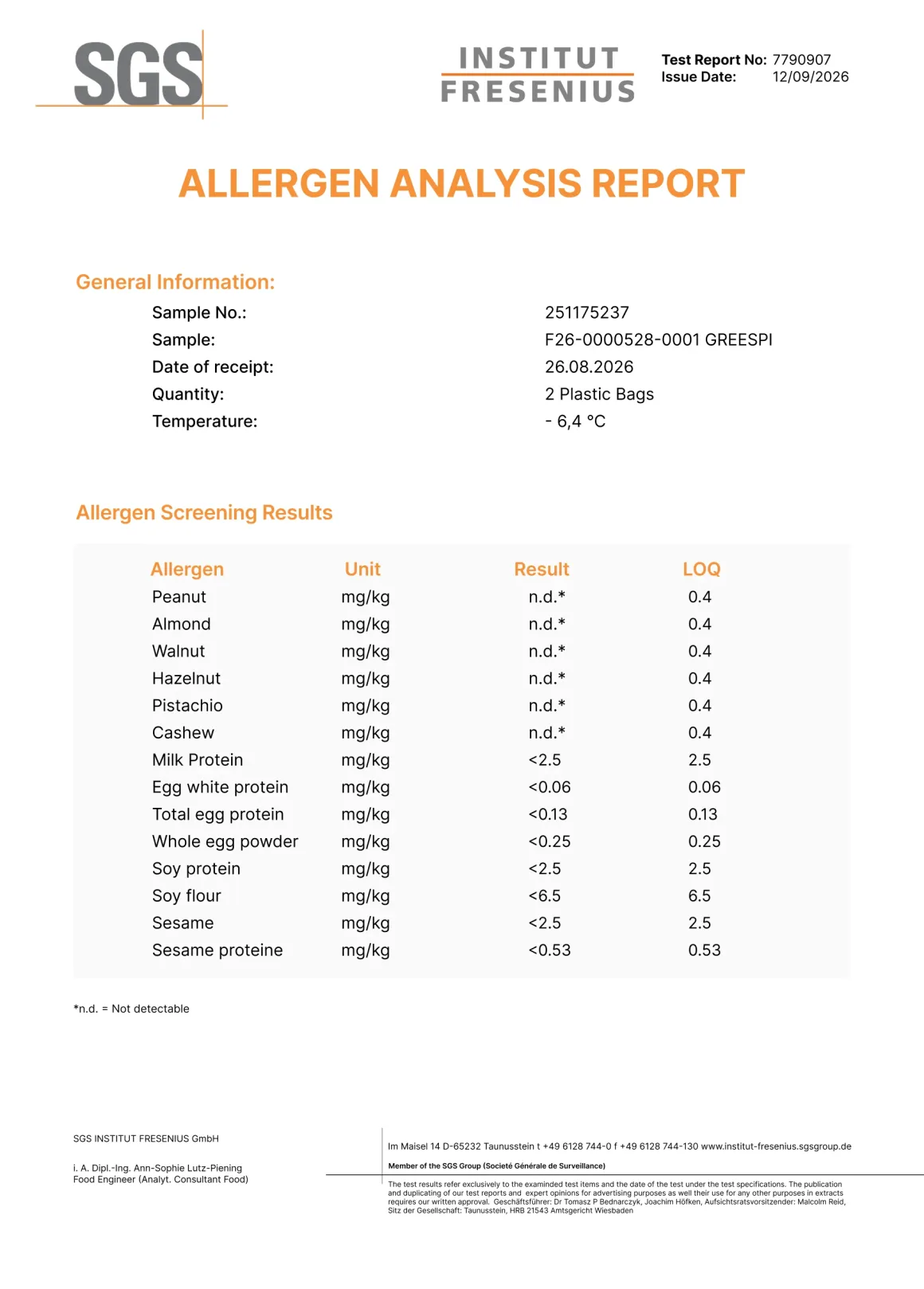
ALLERGEN ANALYSIS REPORT
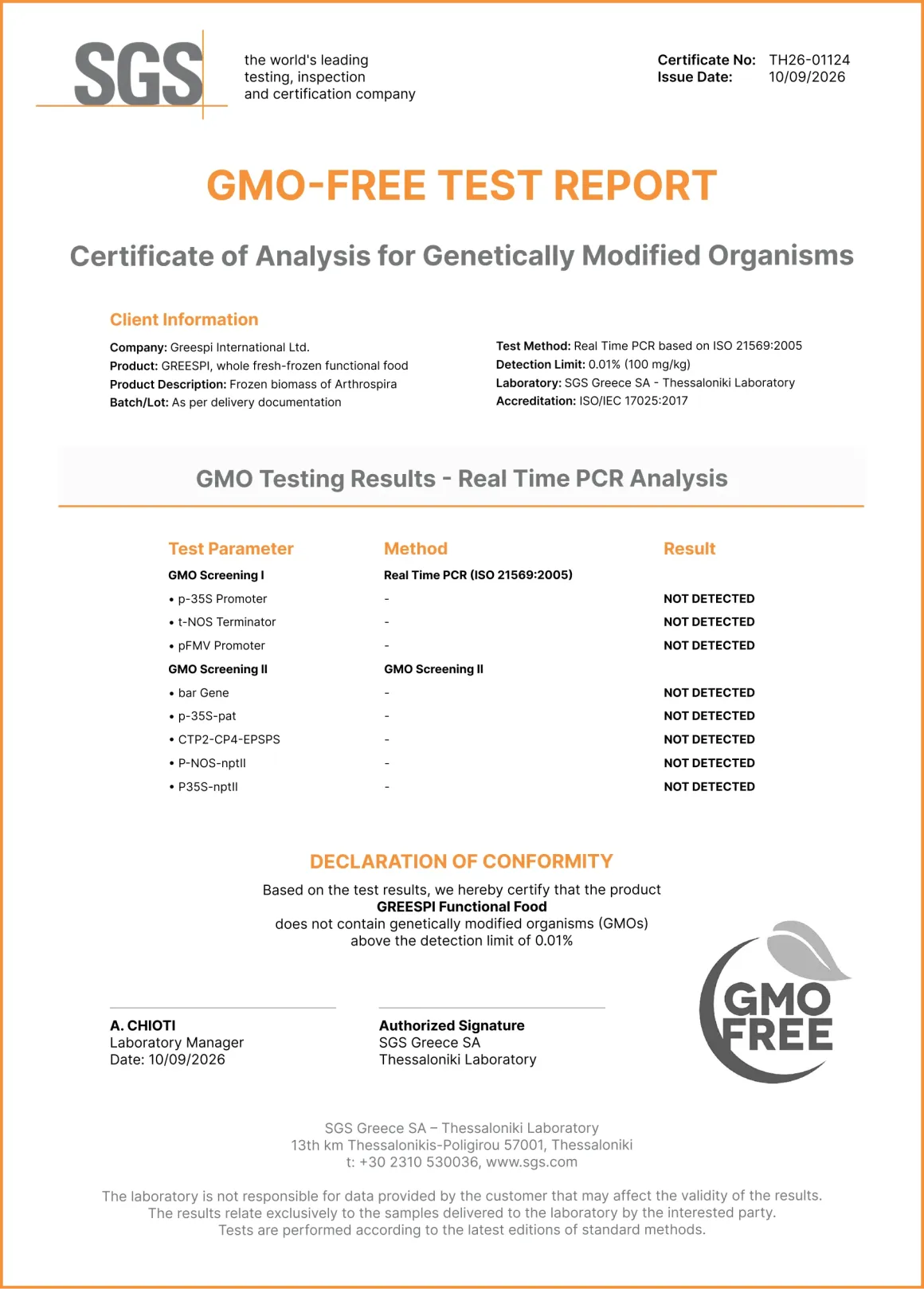
GMO-FREE TEST REPORT
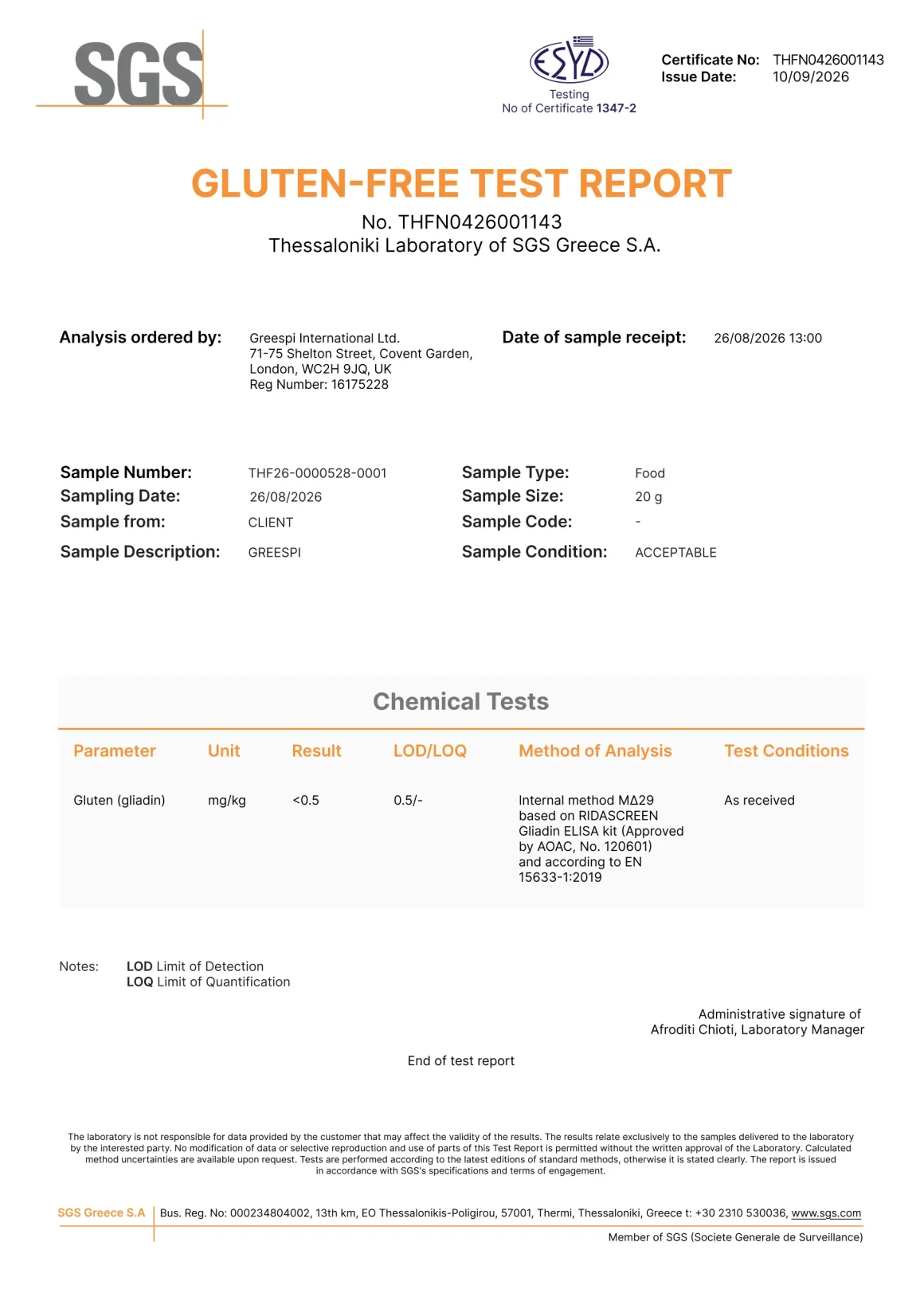
GLUTEN-FREE TEST REPORT
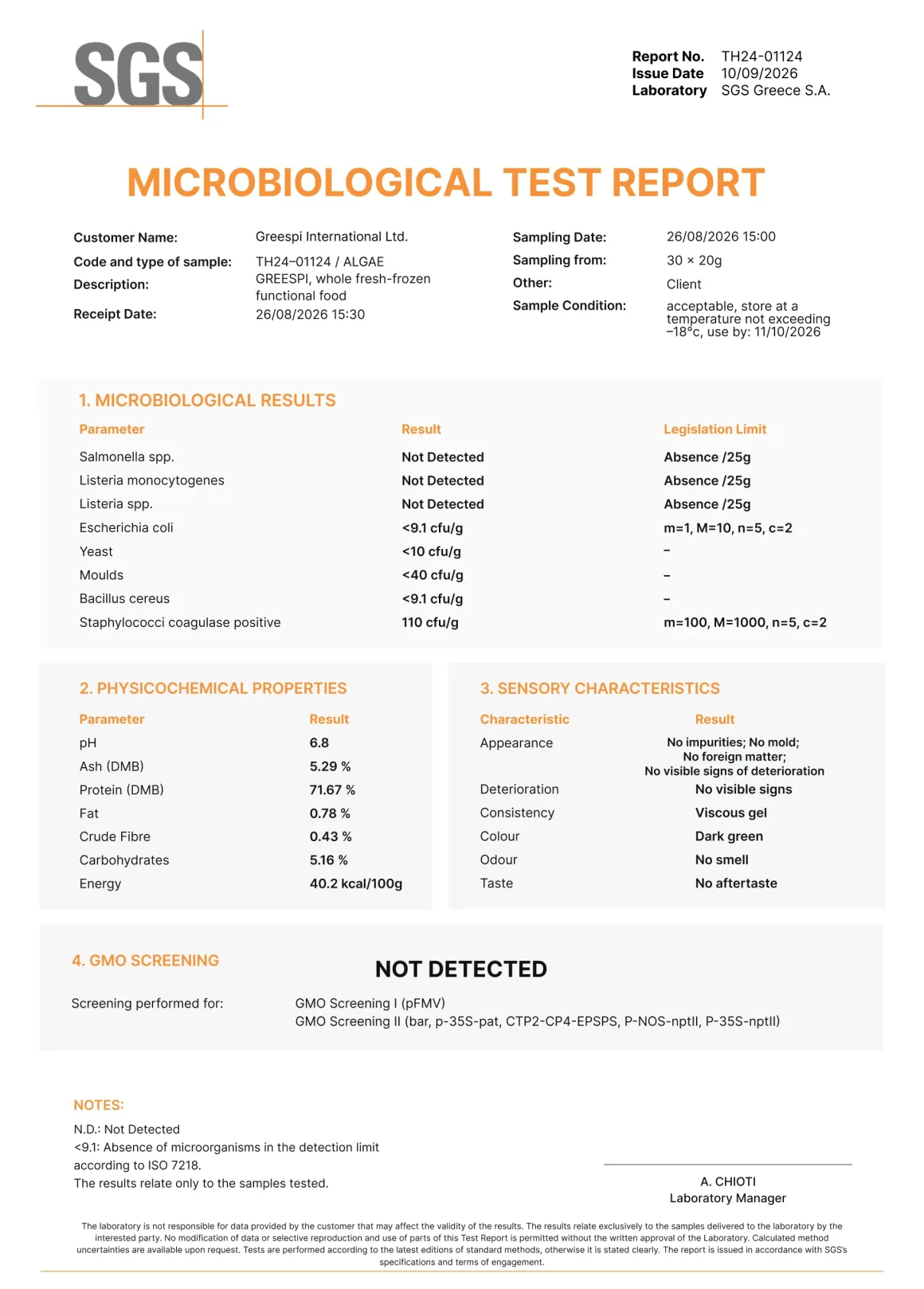
MICROBIOLOGICAL TEST REPORT
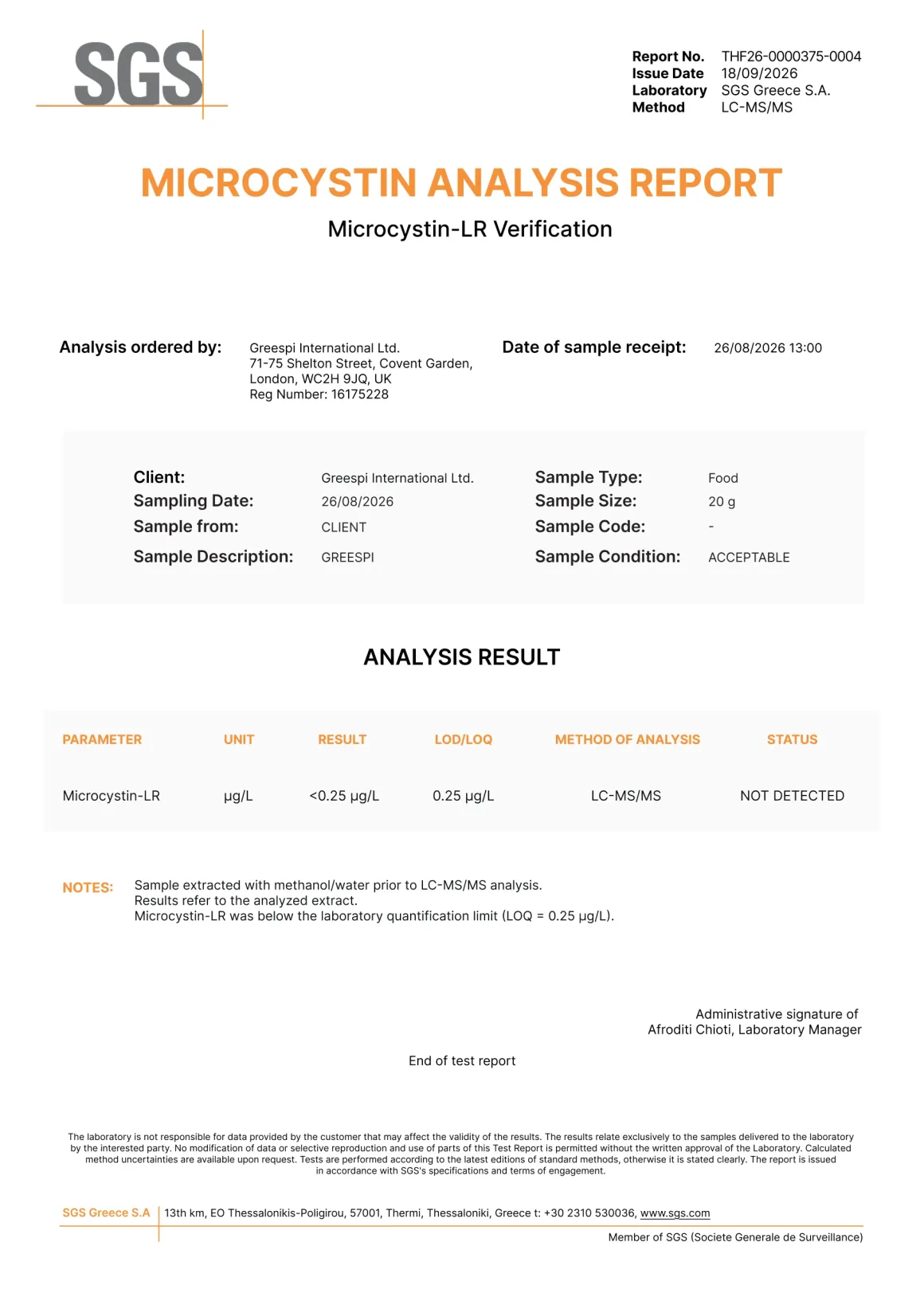
MICROCYSTIN ANALYSIS REPORT
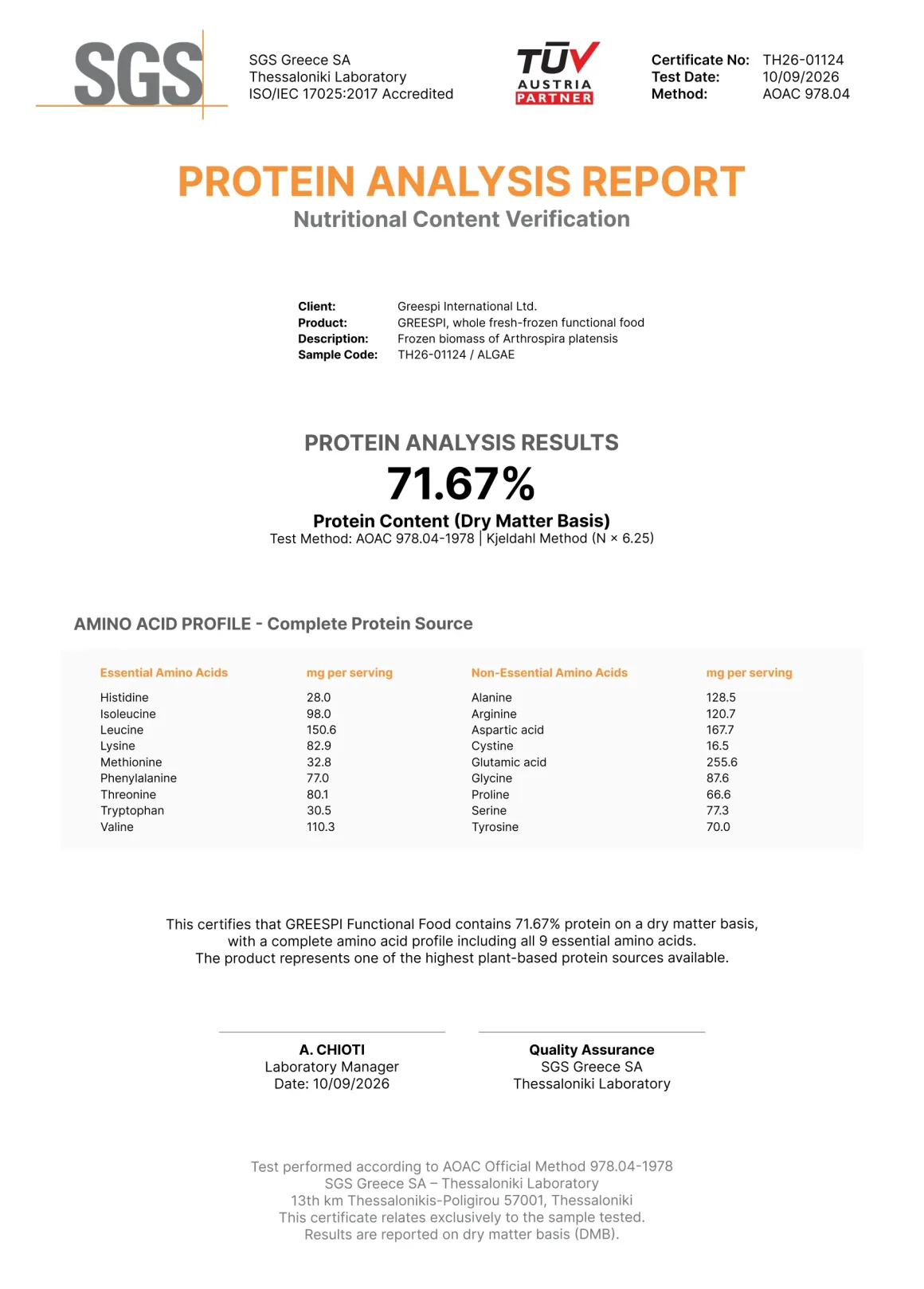
PROTEIN ANALYSIS REPORT
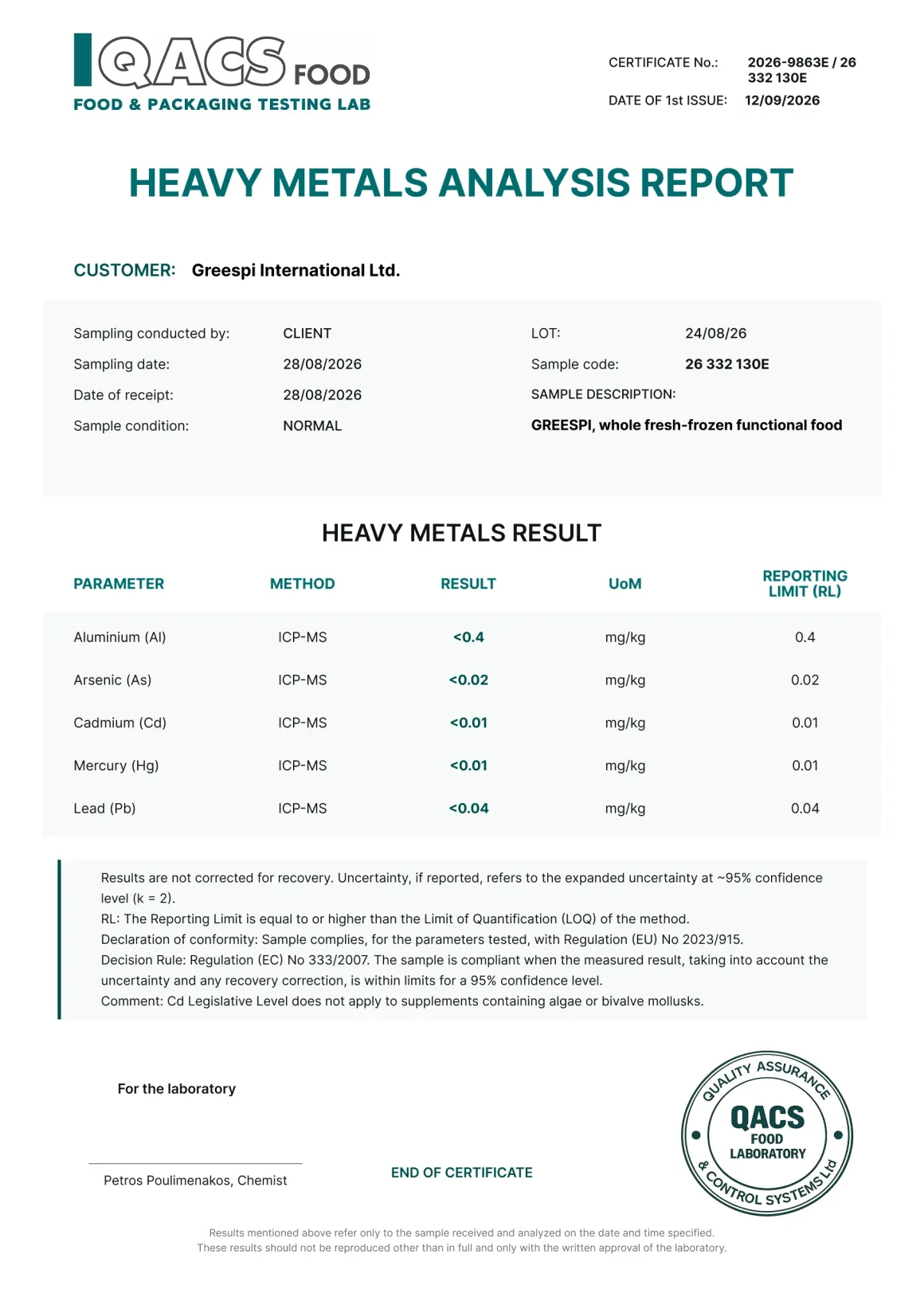
HEAVY METALS ANALYSIS REPORT
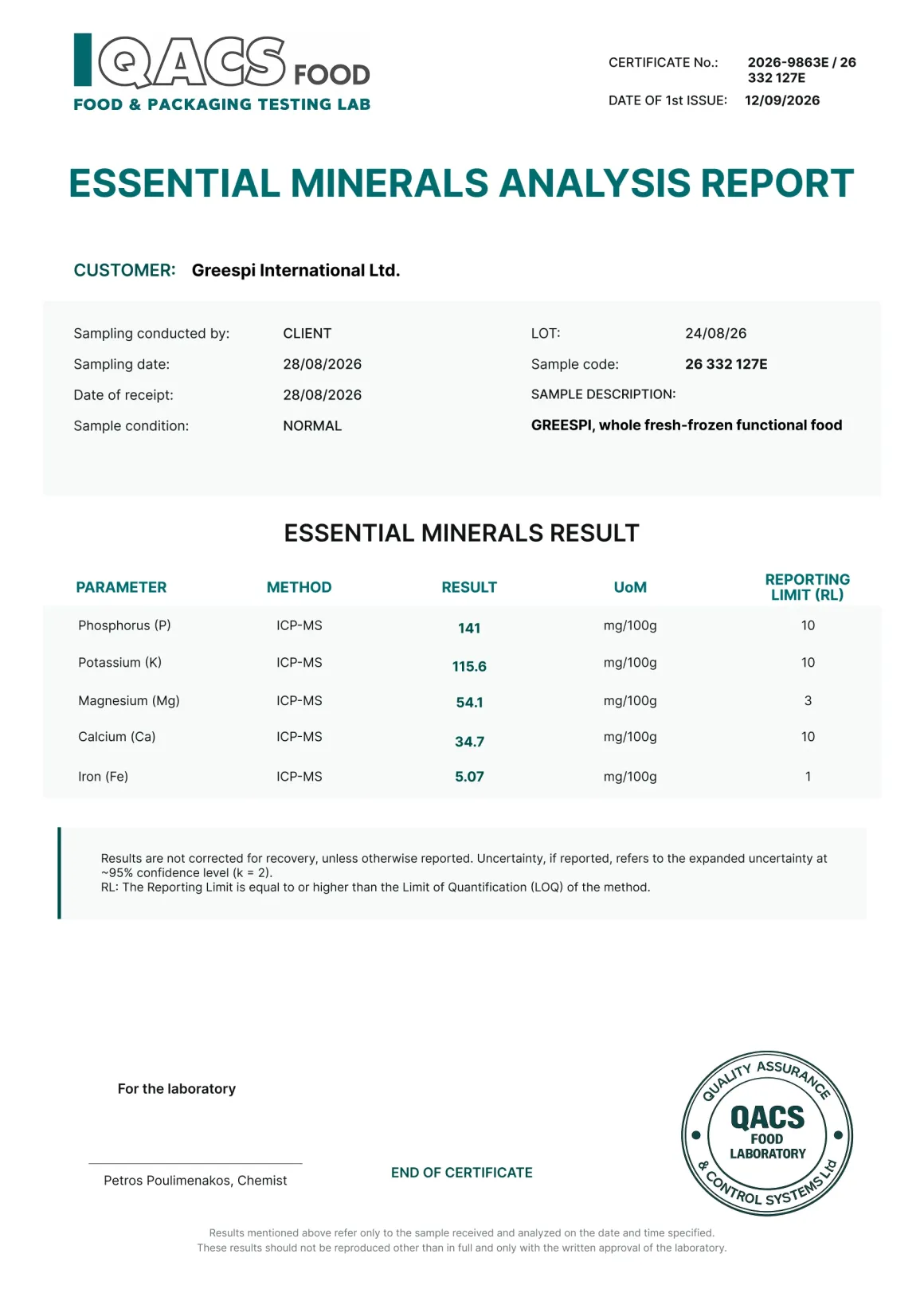
ESSENTIAL MINERAL ANALYSIS REPORT
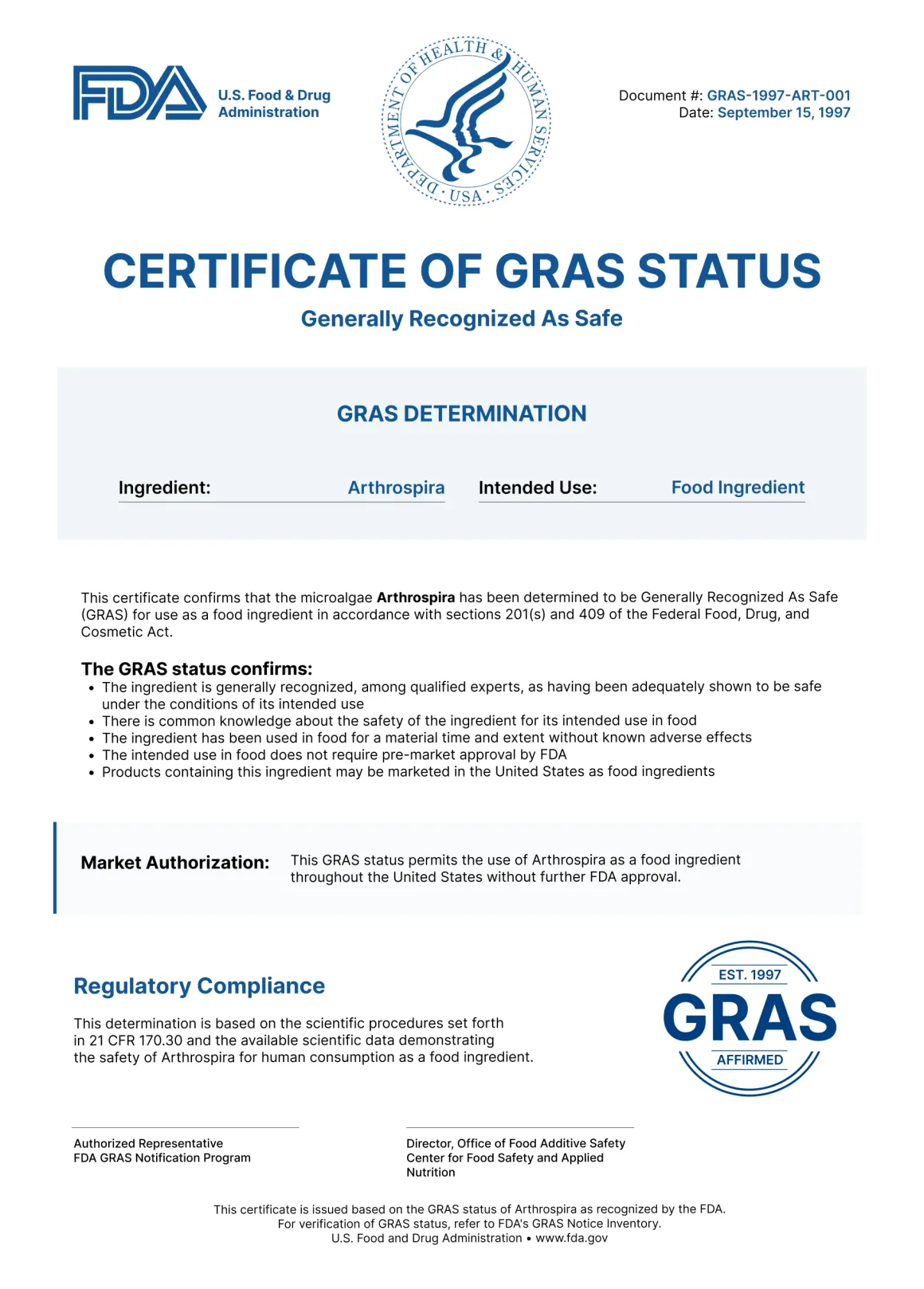
CERTICATE OF GRAS STATUS
Glossary for Interactive Tooltips (Hover Tooltips)

A scientific approach that studies the body as a unified ecosystem of interconnections, rather than a collection of isolated organs.
A state in which hundreds of nutrients within a natural matrix enhance each other's absorption, rather than competing.
A conflict between isolated vitamins (e.g., when excess calcium blocks iron absorption), which is impossible within a native cell.
The body's expenditure of energy and enzymes to break down rigid ballast structures (the cellulose of higher plants) and eliminate byproducts.
The ability of nutrients to enter human cells naturally, without aggressive digestion or additional energy expenditure.
The dynamic balance between oxidation (cellular damage) and reduction (cellular protection and regeneration).
Specific signaling proteins of the immune system. Their stabilization equates to the control of latent systemic inflammation.
Natural molecules that are irreversibly destroyed upon heating or prolonged exposure to oxygen (as seen in conventional powders).
The destruction of a protein's complex three-dimensional structure, leading to the complete loss of its biological activity.
The primary energy source for intestinal cells. They alleviate inflammation and restore the mucosal lining.
Microscopic "locks" between intestinal cells. If compromised, toxins leak into the bloodstream (leaky gut syndrome).
The translocation of toxins from the gut into the systemic circulation, triggering chronic fatigue and inflammation.
A critical coenzyme in the mitochondria responsible for energy (ATP) production and protecting DNA from aging.
Hormone-like substances that exert a potent anti-inflammatory effect and promote healthy vasodilation.
The brain's protective filter, allowing only essential nutrients to pass while blocking circulating toxins.
The activity of elite immune cells that are the first to recognize and destroy viruses and mutated cells.
A master signaling protein released by the body to trigger a potent antiviral response.
Specific proteins (neurotrophic factors) responsible for neuroplasticity—the formation of new neural connections and the preservation of cognitive acuity.